

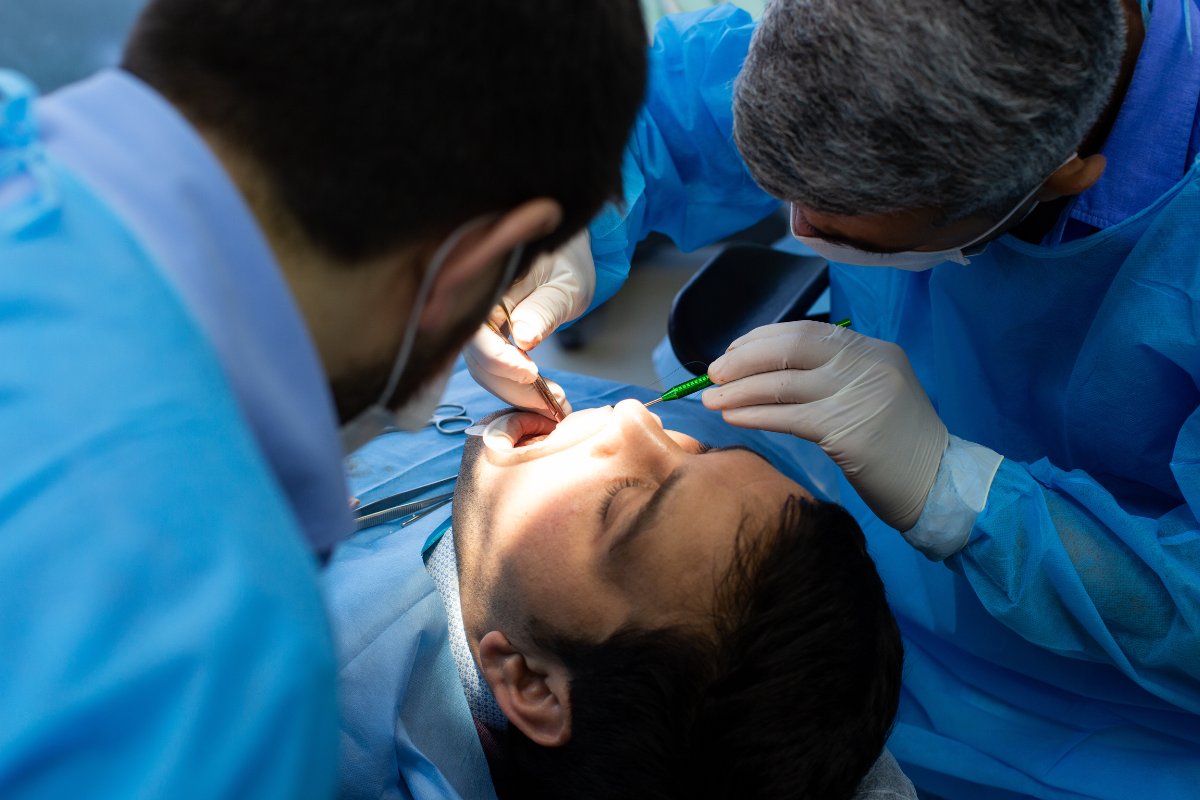
What Should You Expect From Wisdom Teeth Removal?
The removal of wisdom teeth is a significant milestone in many people’s oral health journey, often prompted by discomfort, jaw pressure, or changes noticed during routine dental examinations. Because the experience can vary widely from one individual to another, understanding the assessment process, the procedure itself, and the recovery period can help create a sense of clarity and preparedness. This article explores what typically occurs before, during, and after wisdom tooth removal using well-established clinical knowledge, research-supported insight, and a clear outline of expected short-term effects, healing patterns and follow-up care.
How Are Wisdom Teeth Assessed Before Removal?
Wisdom teeth often require evaluation when there are signs of gum inflammation, swelling, eruption issues or impaction concerns. To adequately diagnose and plan, your trusted dentist will need to complete a thorough assessment that includes an oral examination, a review of symptoms, and dental imaging to understand the tooth’s position, the angle of eruption, and any potential impact on nerves and other teeth.
A though assessment will also require radiographs (X-Rays) to thoroughly assess the shape of the roots and surrounding bone. At Bannockburn Dental we also have an in house 3D x-ray machine (Cone Beam CT) what we can thoroughly assess your teeth to improve the procedure and reduce risks.
Signs that may prompt assessment include:
- Soreness or pressure at the back of the mouth
- Difficulty opening the jaw wide
- Repeated inflammation around partially erupted teeth
- Gum irritation or swelling
- Space concerns or impaction affecting adjacent molars
Wisdom tooth assessment usually involves several predictable stages.
Typical Wisdom Tooth Assessment Steps
| Stage | Purpose | What It May Include |
| Initial Consultation | Understand symptoms and concerns | Discussion, medical history review |
| Clinical Examination | Assess gum and tooth area | Checking bite, gum health, jaw mobility |
| Dental Imaging | Evaluate tooth position | X-rays showing roots, nerves, angles |
| Treatment Discussion | Outline procedural details | Anaesthesia options, sequence overview |
| Planning | Ensure readiness | Aftercare overview, scheduling |
This early stage allows for a detailed understanding of whether removal is recommended, drawing on clinical imaging and evidence-based guidelines to inform decisions.
What Occurs During the Wisdom Tooth Removal Procedure?
Our dentists ensure that you are as comfortable as possible during the procedure and explain what to expect. Local anesthetic is always used, and we will discuss whether additional options such as nitrous oxide sedation or oral sedatives may be appropriate. These options are discussed in person during your consultation visit.
What Should You Expect Immediately After Removal?
Short-term effects following wisdom tooth removal are normal and expected. These responses reflect the body’s healing process and typically settle within several days.
Common Post-Removal Experiences
| Experience | Duration (Typical Range) | Notes |
| Swelling | 1–3 days | Usually reduces gradually |
| Mild discomfort | Several days | Often managed with general guidance provided by the clinician |
| Tight/stiff jaw opening | 3–5 days | Improves as healing progresses |
| Soft-food diet | 1–3 days | Based on individual comfort |
| Minor oozing | First 24 hours | Normal as the clot forms |
Additional temporary effects may include jaw stiffness, tiredness, or sensitivity in the area. Many individuals also adapt their diet for a short time, choosing softer foods such as soups, mashed vegetables or yoghurt to accommodate limited chewing.
General self-care approaches that people commonly use during healing include:
- Using cold compresses intermittently
- Drinking water regularly
- Adjusting food texture temporarily
- Resting when tired
- Attending scheduled follow-up appointments
These steps support the natural healing process, though recommendations are always tailored according to individual clinical needs.
How Can You Prepare for a Smoother Recovery?
Preparation can make the early stages of healing more comfortable. Many individuals prepare their home environment before the appointment to ensure they have everything they need.
Helpful Items Patients Often Prepare Before the Appointment
| Item | Purpose |
| Ice packs | Support swelling management |
| Soft foods | Easier chewing during early recovery |
| Extra pillows | Elevation during the first night |
| Prescribed or recommended medication | Follow clinician instructions only |
| Clean gauze | Refresh dressings as advised |
These items align with commonly recommended routines and help support a consistent recovery experience.
What Does Follow-Up Care Typically Involve?
Follow-up appointments are a standard part of the wisdom tooth removal process. These reviews allow clinicians to assess the extraction site, discuss any developing symptoms, check stitches if present, and provide further guidance based on the current stage of healing.
Follow-Up Considerations
| Topic | Why It Matters | What May Occur |
| Healing check | To ensure healthy recovery | Clinician examines the site |
| Stitch review | If stitches were placed | Confirm natural dissolving or remove if needed |
| Symptom review | Track changes | Adjust guidance if required |
| Oral hygiene discussion | Ensure safe cleaning routines | Advice appropriate for healing stage |
Consistent follow-up helps monitor the progress of the protective blood clot and ensures recovery is proceeding as expected.
Why Might Wisdom Teeth Require Removal in the First Place?
Wisdom teeth may cause issues when they fail to erupt fully, grow at an angle, or create pressure against adjacent teeth. These situations can lead to inflammation, repeated irritation, gum tenderness or difficulty cleaning the area effectively.
Common clinical reasons for recommending removal include:
- Impacted tooth position
- Gum inflammation/swelling
- Repeated discomfort
- Decay or resorption of the neighbouring teeth
- Difficulty maintaining oral hygiene in the area
Each case is assessed individually using dental imaging and professional examination to ensure decisions are based on clear clinical indicators.
Why Might Bannockburn Dental Be the Right Place to Seek Guidance?
When navigating something as significant as wisdom tooth removal, choosing a dental practice that offers structured assessment, clear communication and evidence-based care can make the experience far more comfortable. Bannockburn Dental provides a supportive environment where patients can discuss concerns, explore imaging findings and receive clear explanations at every stage.
Our commitment to personalised assessments, modern diagnostic techniques, and carefully monitored recovery pathways helps ensure patients feel informed and confident throughout their treatment journey.
References
Australian Dental Association – Wisdom Teeth Facts
https://www.ada.org.au/Your-Dental-Health/Adults-31-64/Wisdom-Teeth
Better Health Channel – Wisdom Teeth Overview
https://www.betterhealth.vic.gov.au/health/conditionsandtreatments/wisdom-teeth
FAQs
- How long does recovery from wisdom tooth removal usually take?
Most people experience noticeable improvement after a few days, with swelling and stiffness gradually reducing. Full healing of the area continues over several weeks, depending on the complexity of the extraction and individual healing patterns.
- Is swelling normal after wisdom tooth removal?
Yes. Swelling often peaks within the first 48–72 hours and then subsides. Some people experience little to no swelling, depending on the tooth position and procedure.
- When can I return to normal eating habits?
Soft foods are usually more comfortable for the first few days. Many people gradually return to a normal diet as chewing becomes easier and tenderness reduces.
- Will stitches need to be removed?
Some stitches dissolve naturally, while others may require removal during a follow-up visit. Your clinician will confirm this at the appointment.
- What should I look out for during healing?
If swelling worsens after several days, if there is increasing discomfort, or if unusual symptoms develop, you should contact a dental professional for guidance.
- Do all wisdom teeth need to be removed?
Not always. Some wisdom teeth erupt normally and remain healthy. Removal is usually recommended only when there is a clear clinical reason based on examination and imaging.
Disclaimer
All dental procedures involve potential risks and benefits. The information provided in this blog is general in nature and should not be taken as medical advice. We recommend that you seek guidance from a suitably qualified health professional before making decisions about your oral health. Where appropriate, you may also wish to consider obtaining a second opinion.
Any images or videos featured are shared with the informed consent of our patients and are intended for educational purposes only. They are not a guarantee of results, as every patient is unique. Treatment outcomes — including recovery, potential complications, and effectiveness — can vary from person to person.


Leave a Reply